

Legato® Interlocking Blocks
High-Strength Engineered Walling Solutions by Elite Precast
Legato® walling is a premium range of high strength engineered interlocking concrete blocks, manufactured from 100% natural concrete materials with no recycled or synthetic content.
Designed for strength, durability and flexibility, Legato® blocks provide one of the most advanced interlocking concrete walling systems available in the UK.
Typically manufactured using high-strength concrete, Legato® blocks deliver exceptional structural integrity, long service life and outstanding value across permanent and temporary construction projects.
What are Legato® Interlocking Blocks?
The name Legato® is derived from the Italian word meaning "tied together", reflecting the precision-engineered interlocking design that allows blocks to stack securely without mortar or reinforcement.
Each block is designed for rapid installation, easy handling and maximum stability, making Legato® an ideal solution for demanding civil, industrial, agricultural and public-sector applications.
Why Choose Elite Precast
With decades of precast expertise, in-house engineering support and a proven delivery record on projects of every scale, Elite Precast is the partner specifiers trust. We pair robust, repeatable manufacturing with the flexibility to engineer bespoke solutions when a standard product will not do.
Key Features & Benefits
Typically manufactured using high-strength concrete, Legato® blocks offer the highest compressive strength available in Europe for interlocking concrete block systems.
Full specifications
Installation Overview
External storage bays constructed using Legato® blocks are typically classified as temporary structures. In many cases, this means:
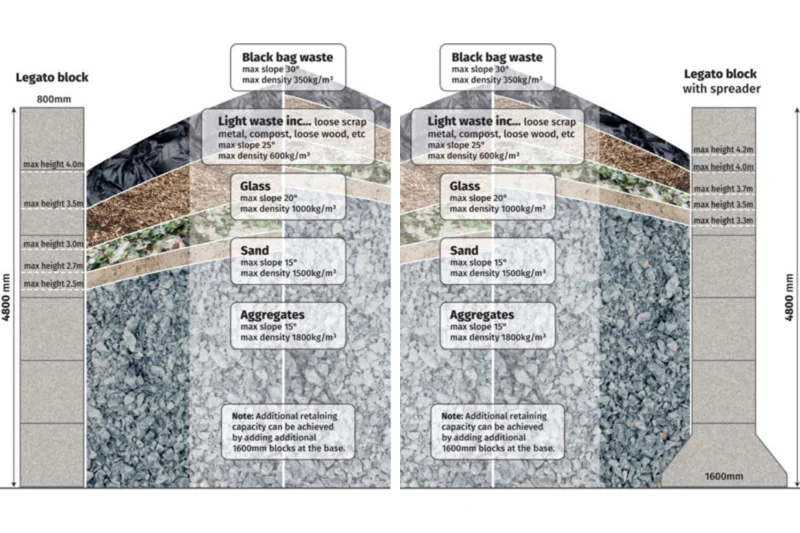
Typical Loading Guidance
Before installing any interlocking concrete wall system, we strongly recommend consulting our Stability and Loadings guidance, within our Elite Knowledge section, which provides guidance on:
Maximum wall heights
Stored material types and densities
Ground bearing capacity
Foundation requirements
We also provide downloadable resources to assist with:
Stockbay wall design
Inspection of existing walls
All blocks are compatible with 5-tonne lifting clutches, which are available upon request.
Loading data is guidance only – please consult a structural engineer if unsure.
Retained material should be allowed to naturally fall against the wall, as it is stacked
Walls must be constructed on a suitable base
Wind loading may affect single-skin walls above 4.8m
Avoid direct impact from mobile plant
Strapping top layers can improve stability in high-risk environments
These loading tables relate to specific materials with a typical density and angle of repose, stacked to specific heights and slopes.
The density and angle of repose of each material shown are typical values only.
Please note that it is the customer's responsibility to ensure all required structural checks are completed prior to installation.
Need an independent site assessment? Visit www.sitesafe.site a specialist inspection and reporting service developed by www.rsgstructures.co.uk
Compliance & Technical Support
Wind loading can affect the stability of single skin, stand-alone Legato® block walls above 4.8m high. If in doubt get it checked by a qualified structural engineer. Direct impact between mobile plant and the block walls is unnecessary and should be avoided as in extreme cases this could dislodge blocks from the wall. If you identify a particular risk then strapping the top layers can help to mitigate the risk.
Safety & Responsibility
Before you start using any concrete blocks, we recommend that you check out our unique stability and loadings directory, within our Elite Knowledge section, here you will find lots of guidance on wall heights, material storage and ground bearing/foundations etc.
Before lifting pre-used blocks, inspect lifting pins for wear or corrosion and check blocks for cracks. Damaged blocks or pins may fail during lifting.
Bespoke Options
Available soon…Legato® blocks with an aesthetically pleasing texture
Applications
Legato® interlocking concrete blocks are widely used across multiple sectors, including:
Blast and impact protection walls
Bridge abutments and structural supports
Coastal erosion control
Counterweights and kentledge
Agricultural buildings and farm security
Fire break and fire protection walls
Flood defence and temporary flood barriers
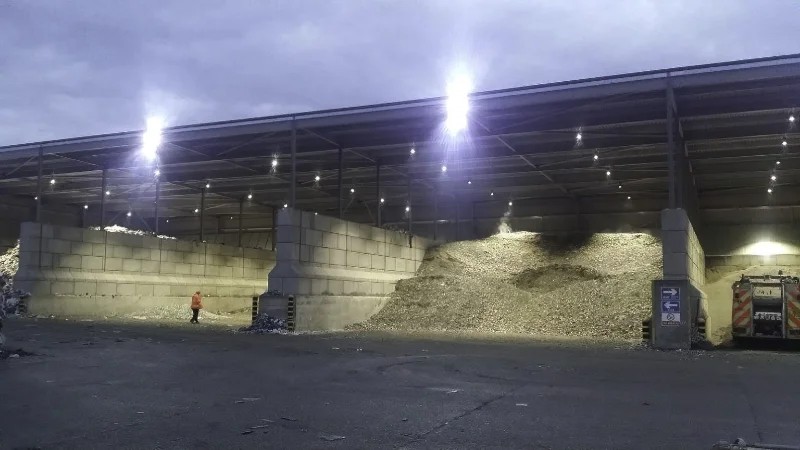
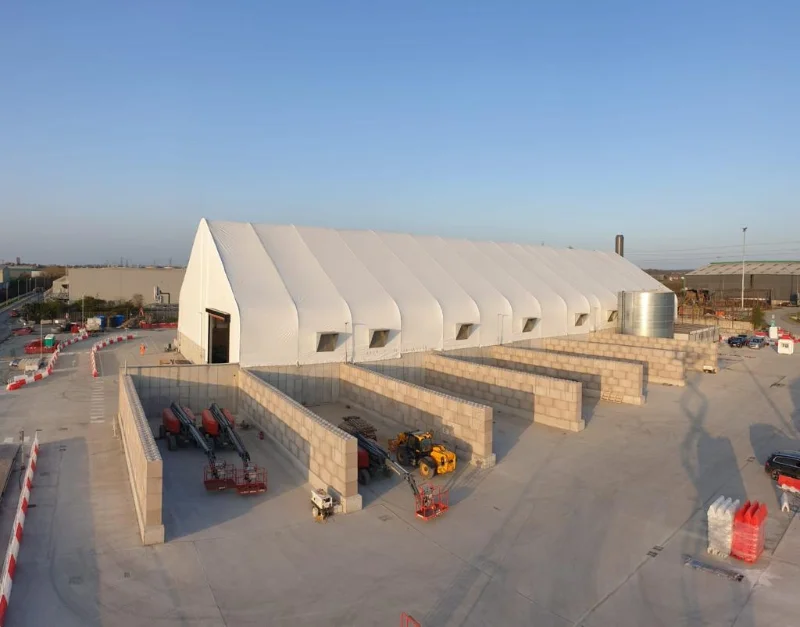
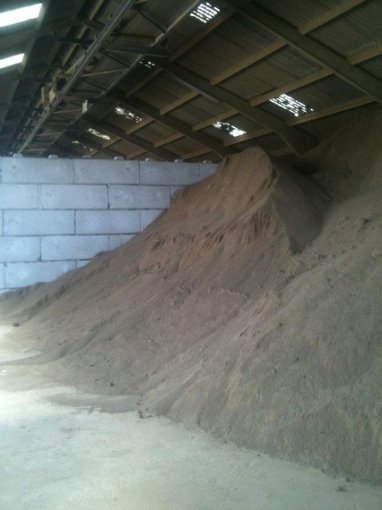
Material storage bays (aggregates, grain, salt, scrap metal, woodchip, waste, white goods)
Network Rail projects (ALO and trackside safety walling)
Pendine and containment walls
Public sector and infrastructure projects
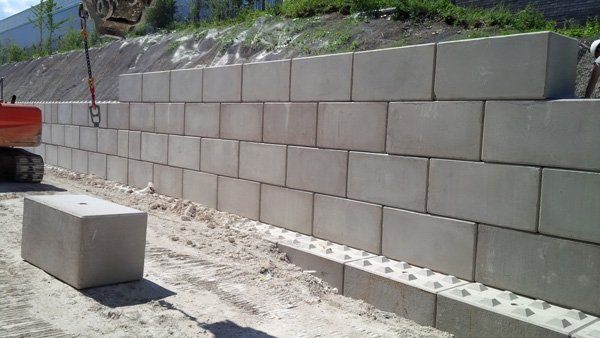
Retaining walls and earth support
Temporary works and demountable structures
Finish & Appearance
Legato® blocks are supplied with a basic concrete finish, in accordance with the 5th Edition of the National Structural Concrete Specification.
This finish ensures structural performance rather than architectural appearance. If aesthetics is important to you, our decorative face Vee-Rock™ or Retainer-Rock® walling is recommended.
If blocks are damaged during handling or installation, we cannot accept responsibility after delivery and client sign-off.
Gallery
Project solutions
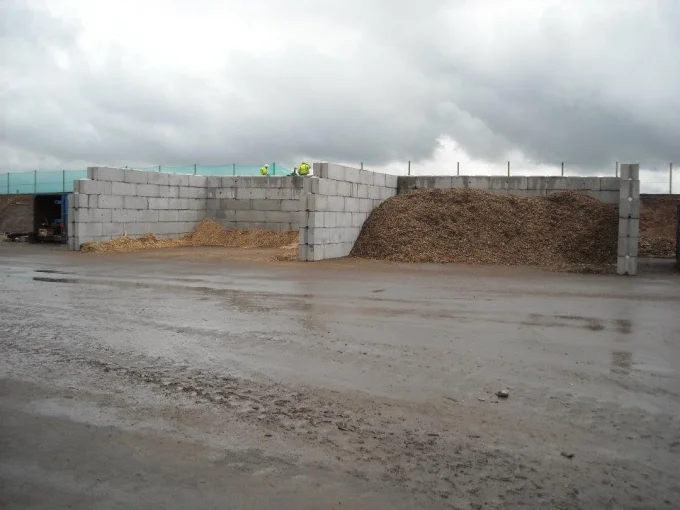
Legato Interlocking Blocks for Aggregate and Bulk Material Storage
A robust, flexible and high-capacity solution for storing aggregates and bulk materials.
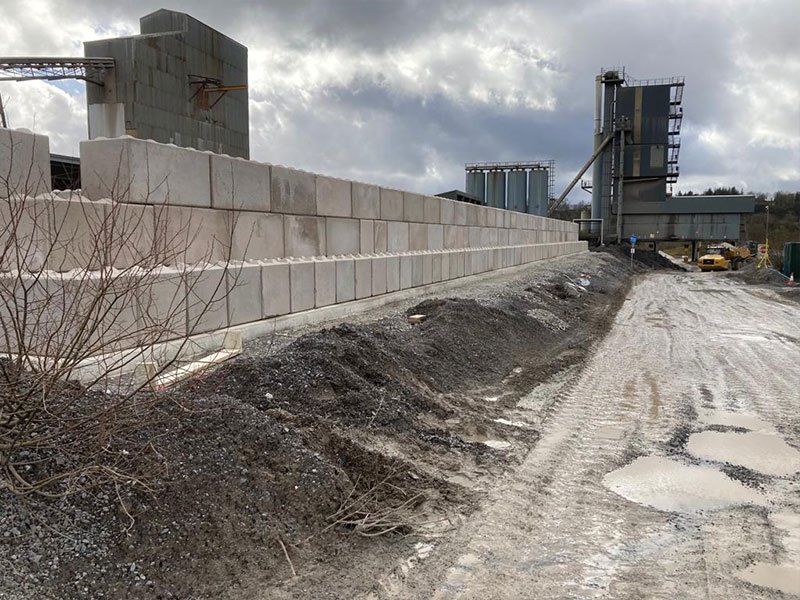
Legato® Interlocking Blocks for Creating Grain Storage Bays
A robust, flexible and high-capacity solution for creating grain storage bays.
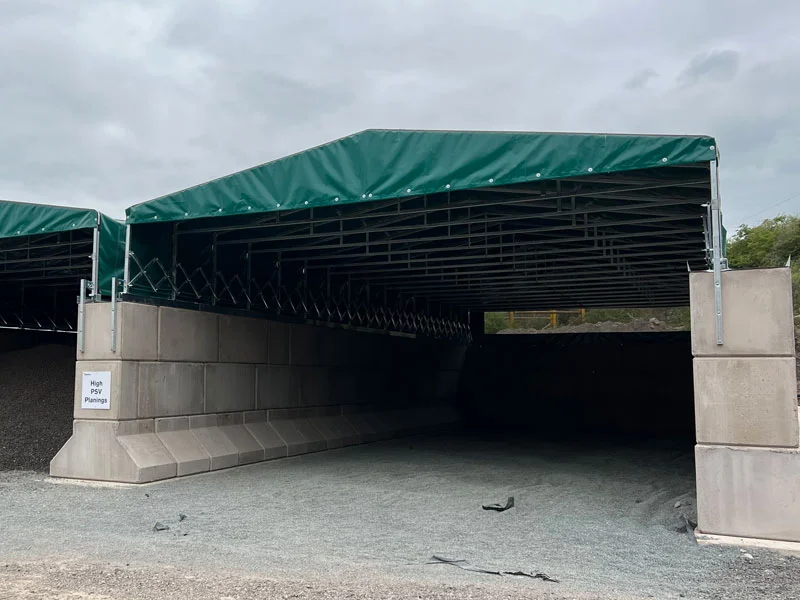
Legato® Interlocking Blocks for Dividing Storage Areas
A robust, flexible and efficient solution for dividing storage areas.
Legato® Interlocking Blocks for Forming Silage Clamps
A high-strength, modular solution for forming silage clamps.
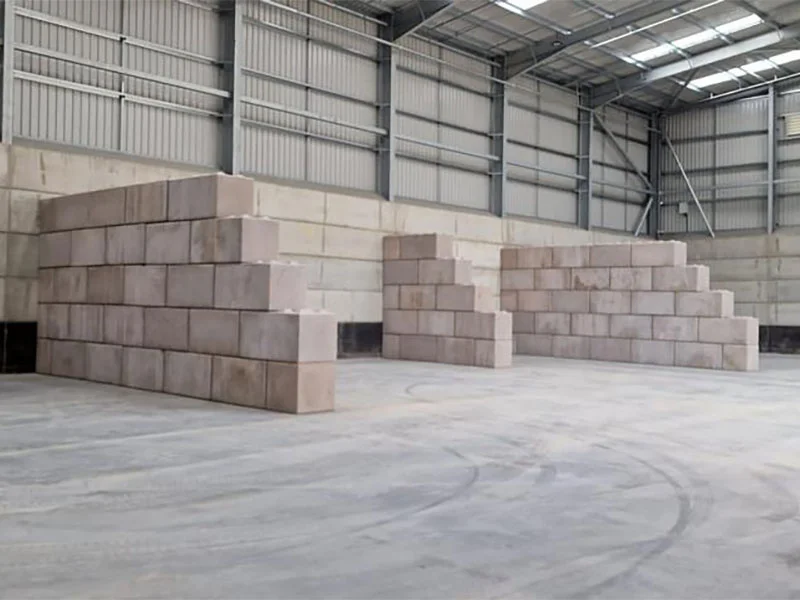
Legato® Interlocking Blocks for Constructing Feed and Fertiliser Bays
A robust, flexible, and efficient solution for constructing feed and fertiliser storage bays.
Agricultural Buildings and Farm Security
Legato® Interlocking Concrete Block Systems by Elite Precast
Important downloads
- Typical loads Duo Legato and VeePDF4.9 MB
- Shear Force Legato Duo BlocksPDF94 KB
- Legato 4.0m high with spreader block 1.8tonnes m3 densityPDF320 KB
- Legato 3.2m high Black Ash 1.5t per m3PDF101 KB
- Legato 3.2m high – no spreader block – Glass cullet stored to 2.5m highPDF245 KB
- Legato block shear transfer through standard Legato block NibsPDF423 KB
- Legato White Goods Foundation Design GuidancePDF2.2 MB
- Elite Tipping Force Legato BlocksPDF281 KB
- Legato blocks 5.6m high woodchip 0.9tm³ calculationsPDF376 KB
- Legato block 1.6m high 1.9t per m³ calcsPDF401 KB
- Legato 4m Typical Foundation DetailPDF358 KB
- Legato block 4.0m high 0.3t per m³ calcsPDF391 KB
- Legato blocks – sludge cake with 100 liquefaction at 1.6m highPDF304 KB
- Legato™ Block 3.2m High Earth Retaining 18kN m³ 1PDF154 KB
- Legato 3.2m high ASR ‘’Grade 2’’ 400kgs per m3PDF110 KB
- Legato – 3.2m storing sand at 1.8 t m3 with double block at the basePDF389 KB
- Legato blocks – 4m high woodchip 0.7tm³ calculationsPDF416 KB
- Legato 3.2m high silage clamp double thick walls with 10t compacting machinePDF294 KB
- Legato blocks – woodchip 4m high 0.4tm³ calculationsPDF276 KB
- EPC TYP 010 Material Storage Bays 18kN m3 x 4.8m LegatoPDF925 KB
- Legato earth retaining wall 4.0m highPDF125 KB
- Legato 3.2m High Spreader Loading GuidelinesPDF252 KB
- Legato 3.2m high no spreader block 1.8 tonnes per m³ calculationsPDF571 KB
- Legato block 4.0m high no spreader block compost 0.6tonnes per m3PDF196 KB
- Legato block 3.2m high spreader block 2.0t per m³ calcsPDF433 KB
- Legato 4m – single skin storing white goods – 400kgsm3PDF562 KB
- Legato – 4.8m high with foot block 0.8tonnes m3 density fragPDF303 KB
- Legato block 4.0m high no spreader block 1.1t per m³ calcsPDF335 KB
- Legato Block 3m high Slag Dust Ret Wall Calculation SummaryPDF103 KB
- Legato block 8.0m high lightweight recyclables stability calcsPDF379 KB
- Legato 3.2m Legao 300kgsm3 Calculation SummaryPDF215 KB
- Legato block 2.4m high – no spreader block 1.6 tonnes per m3PDF463 KB
- Legato 3.2m high Sludge Retention Wall Calculation SummaryPDF200 KB
- Legato blocks – 7.2m high storing scrap metal at 1.1t per m3 density to 5.6m highPDF253 KB
- Legato 3.2m high ASR 350kgs per m3PDF110 KB
- Legato 4.8m high – typical retaining wall detailPDF44 KB
- Legato 2.4m high ASR and Scrap Metal 1.1t per m3PDF103 KB
- Legato 2.4m high earth retaining wall with no surcharge calculationsPDF197 KB
- EPC TYP 001 Sand Storage Bay 1.8t m3 x 3.2m high LegatoPDF911 KB
- EPC DRG 268 O Legato Block Install Jointing DetailPDF77 KB
- Legato block 8.0m high no spreader block 1.1t per m³ calcsPDF337 KB
- Legato blocks 6.4m high with spreader loose cardboard 0.45t per m3PDF243 KB
- Legato Block 4.0m high – with base and spreader blocks – Cocoa beans 0.6t per m3 30 degree heap anglePDF267 KB
- Legato 4m High No Spreader Loading GuidelinesPDF261 KB
- Legato 3.2m high no spreader block 0.9tonnes m3 with typical foundation designPDF448 KB
- Legato block 3.2m High with spreader blocks aggregates 2.4t per m calculationsPDF350 KB
- Legato – vehicle ramp 3.2m with 30 tonne wheeled loaderPDF296 KB
- Legato Block 4.0m high – with spreader blocks – Cocoa beans 0.6 t per m3 15 degree heap anglePDF266 KB
- Legato 4.8m high with additional base blocks wet sand stored to full height 1.9t per m3 calculationsPDF98 KB
- Legato block 4.8m high foot block 0.34t per m³ calcsPDF701 KB
- Legato blocks 5.6m high – mixed waste 0.4tm3 calculationsPDF341 KB
- Legato 7.2m high 0.4tonne per m3 density calculationsPDF299 KB
- Legato block 4.8m high no footblock – white goods storagePDF566 KB
- Legato 4m high with spreader block dry sand 1.5 tonnes per m3 density calcsPDF317 KB
- Legato block 4.0m high – bund wall calcsPDF440 KB
- Legato block 4.0m high cardboard bales 0.55t per m³ calcsPDF556 KB
- Legato block 4m high Earth Retaining Wall CalculationPDF650 KB
- Legato 5.6m high with Foot Block 9.0kN per m³ Wet WoodchipPDF120 KB
- Legato blocks – 5.6m high Firewall woodchip 0.4 tm³ calculationsPDF488 KB
- Typical strip foundation details for a 4m high Legato wall storing 1tm³ materialPDF349 KB
- Legato 3.2m High No Spreader Loading GuidelinesPDF269 KB
- Legato 2.4m high ASR ‘’Grade 2’’ 400kgs per m3PDF100 KB
- EPC TYP 009 Retained Light Garden Waste 7.35kN m3 x 6.4m LegatoPDF1.2 MB
- Legato 3.2m high ASR and Scrap Metal 1.1t per m3PDF99 KB
- Legato block 4.0m high spreader block 1.1t per m³ calcsPDF128 KB
- Legato Bay Typical LoadsPDF1.6 MB
- Elite Legato overturning blockPDF286 KB
- 3.2m Single Skin Legato Sludge Cake Calculations SummaryPDF329 KB
- Legato 3 2m High 1.4 tonnes per m3 no footblock Calculation SummaryPDF737 KB
- Legato blocks 4m high with additional base and spreader blocks storing Cocoa beans at 35 degree heap angle calculatPDF192 KB
- Legato 4m High Spreader Loading GuidelinesPDF249 KB
- Legato 5.6m high Spreader Black Bag Waste 3kNm3 Calculation SummaryPDF296 KB
- Legato 3.2m high – no spreader block – general waste scrap metalPDF325 KB
- Legato block 8.0m high spreader block 1.1t per m³ calcsPDF451 KB
- Legato block 3.2m high double blocks at base aggregates 2.0t per m3PDF103 KB
- Legato blocks – 4m high aggregate – 2.0tm³ calculationsPDF315 KB
- EPC TYP 008 Material Storage Bays 11kN m3 x 3.2m LegatoPDF1.2 MB
- Legato blocks 6.4m high CEC waste calculationsPDF414 KB
- Legato 2.4m high ASR 350kgs per m3PDF104 KB
- Impact Load Calculation Summary 4.0 Legato BlocksPDF158 KB
- Legato block 4.8m high double block at base 0.5t per m³ calcsPDF338 KB
- Legato 4.8m High With Spreader Load Diagram REV APDF537 KB
- Legato 3.2m Sludge Cake CalculationsPDF125 KB
- Legato 4.0m high no spreader block woodchip 0.7t per m3 calculationsPDF185 KB
- 616 05 Legato 4.8m high with Foot Spreader Block 10.0kN per m³ Light Baled WastePDF520 KB
- Legato 3.2m high with foot block – aggregates 1.8t m³ calculationsPDF232 KB
- Legato block 5.6m high spreader block loose wood stability calcsPDF378 KB
- Legato blocks – 8m high scrap metal 0.4tm³ calculationsPDF422 KB
- Legato block 3.2m high double block base 1.8 tonnes per m3 calculationsPDF494 KB
- Legato 4.8m High No Spreader Load Diagram amended notesPDF301 KB
- Legato blocks – general waste 0.4tm³ calculationsPDF380 KB
Case Studies & Blogs
Case study
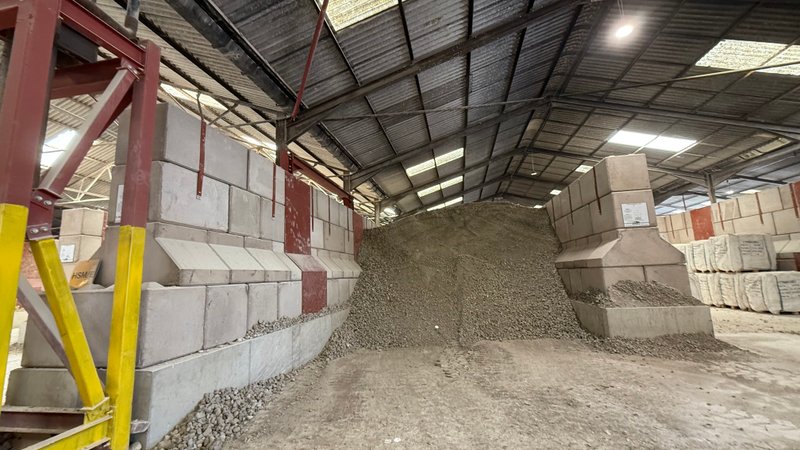
Legato® Interlocking Blocks Provide Concrete Results for IMERYS Furzebrook Facility
Case study
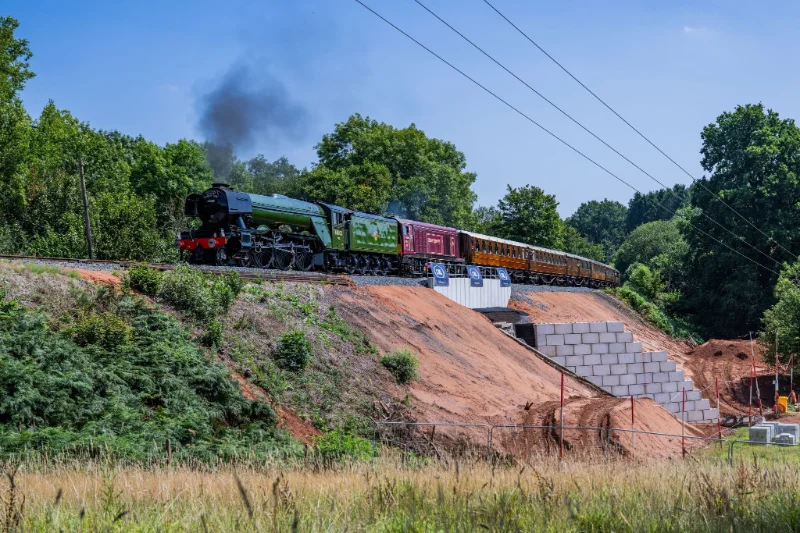
The Collaborative Restoration of Severn Valley Railway Using Legato® Interlocking Blocks
Case study
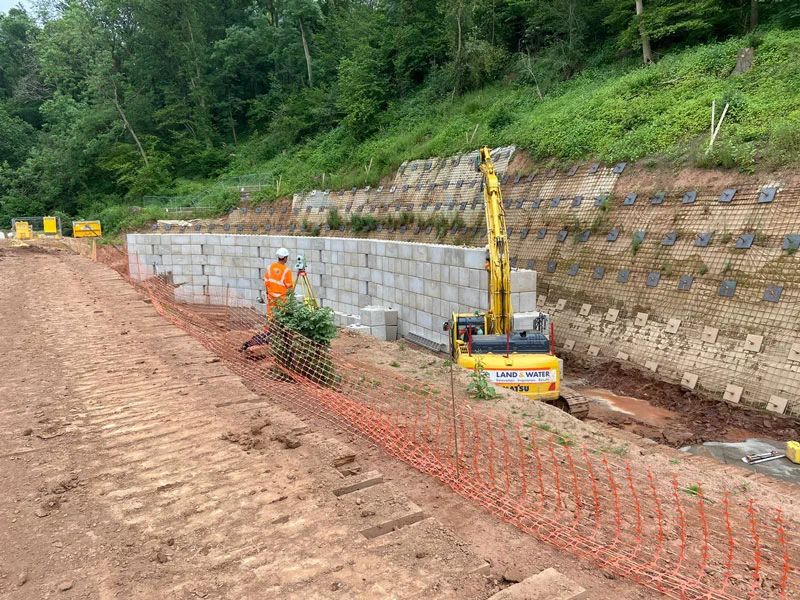
Legato® interlocking blocks — a key element in the construction of a fish and eel pass
Case study
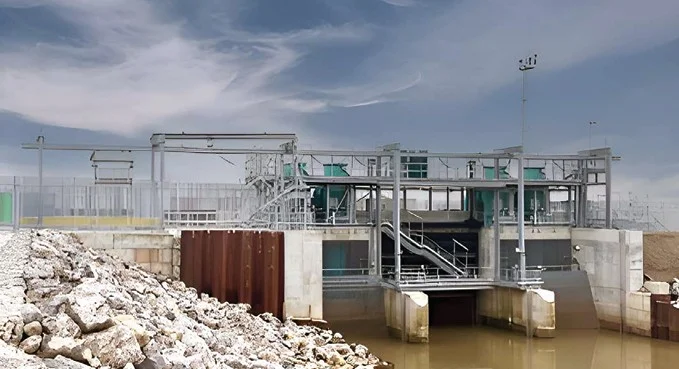
Holderness Flood Alleviation Scheme
Case study
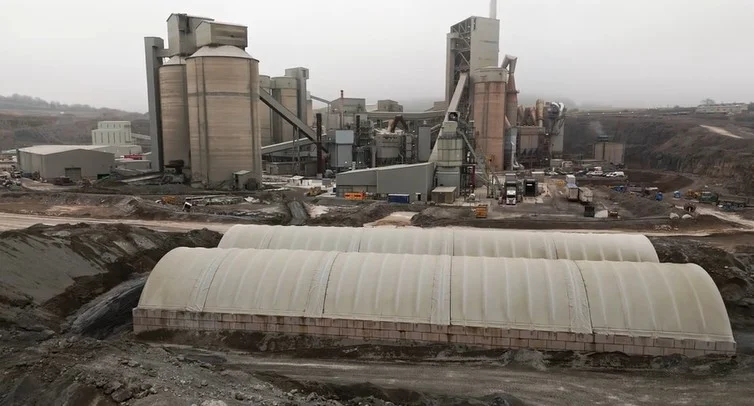
Innovative storage solutions boost efficiency at Tarmac's Tunstead Quarry
Case study
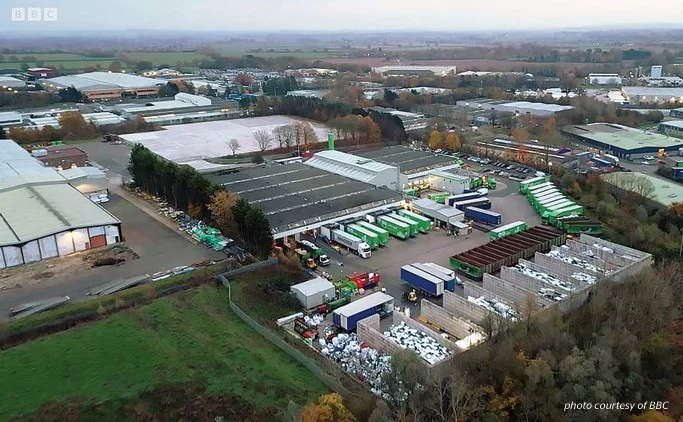
Elite Precast help AO create state-of-the-art recycling centre using Legato® interlocking blocks
Case study
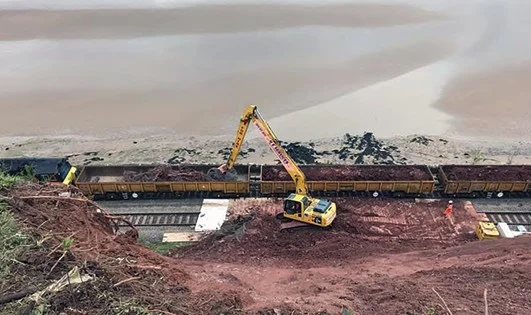
Landslip failure near Lydney leads to emergency works
Case study
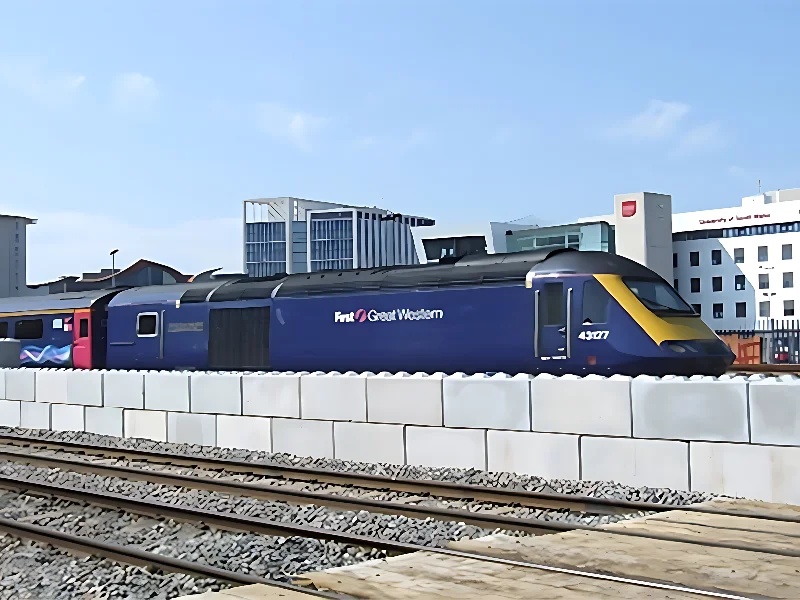
Putting Safety First on Major Rail Projects with ALO Working
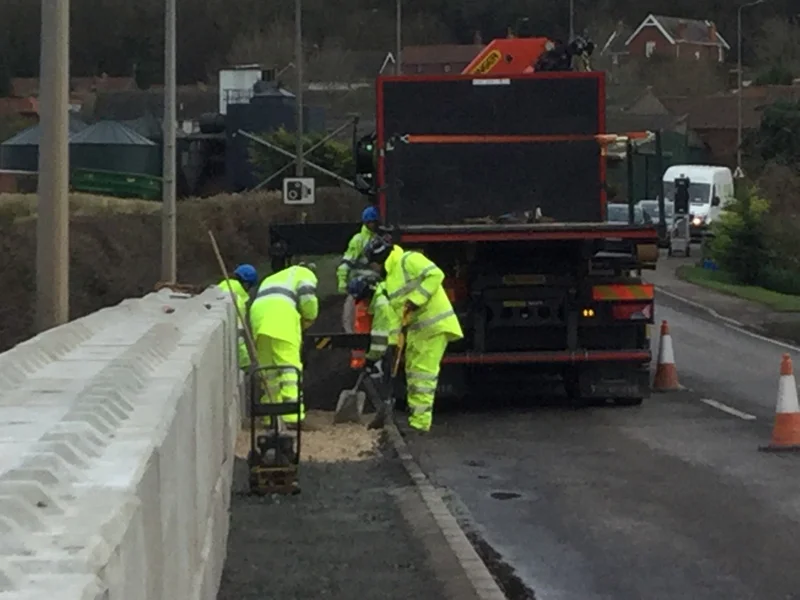
Case study
Interlocking Blocks Protect from Storms and Flooding in North Lincolnshire
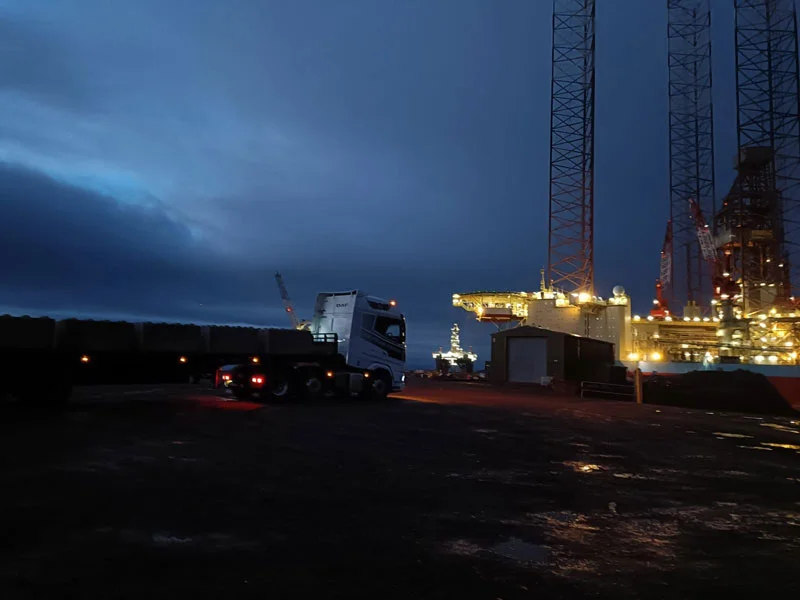
Case study
Legato® Blocks Installed to Hold Decommissioned Oil Rigs for Demolishing
Case study
Legato® Blocks Create Maximum Space at Dunstable Distribution Centre
Case study
Legato blocks help to secure sea defence scheme and keep the RNLI safe
Case study
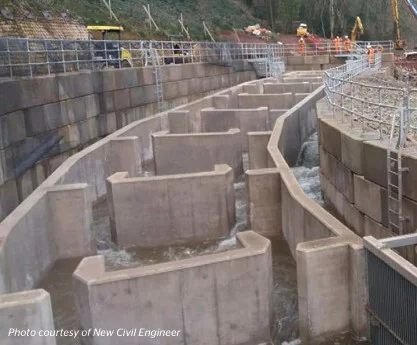
Phase Two of the Holt Weir Fish Pass Completed Using Legato Blocks
Case study
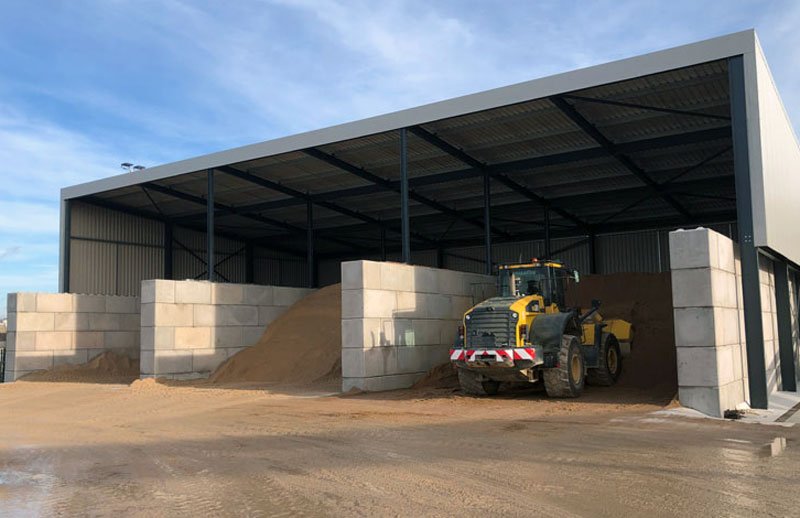
Legato blocks create safe road-salt storage at Hilton Park Services
Blog
How Legato® walling blocks help stop the spread of fire in modern quarry management
Blog
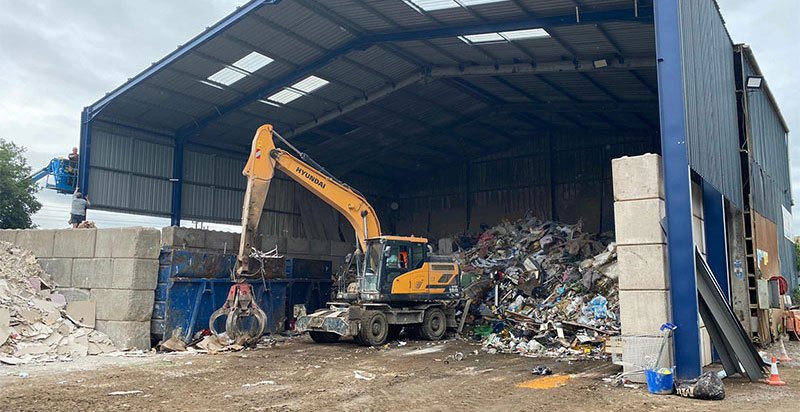
How Elite Precast helps small waste operators meet new fire-protection rules
Blog
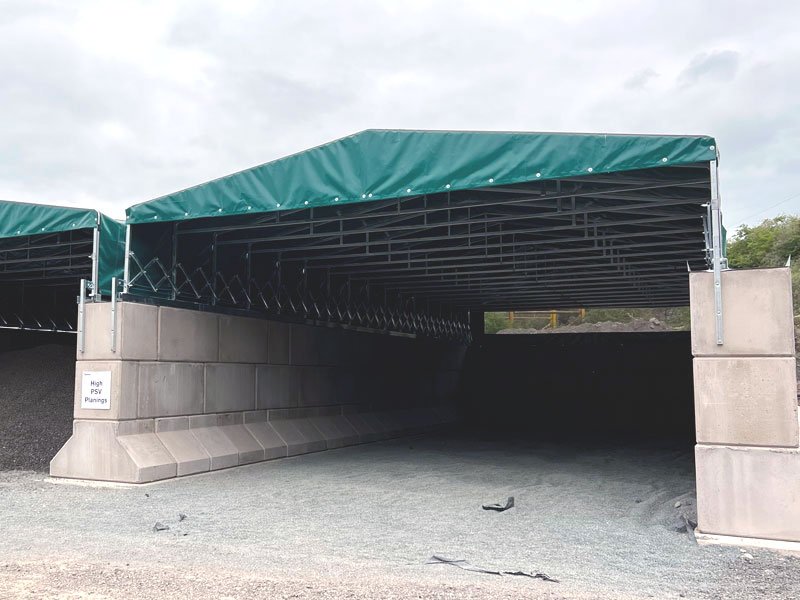
Benefits of reducing water logging in material storage and water management within the UK Quarrying Industry
Blog
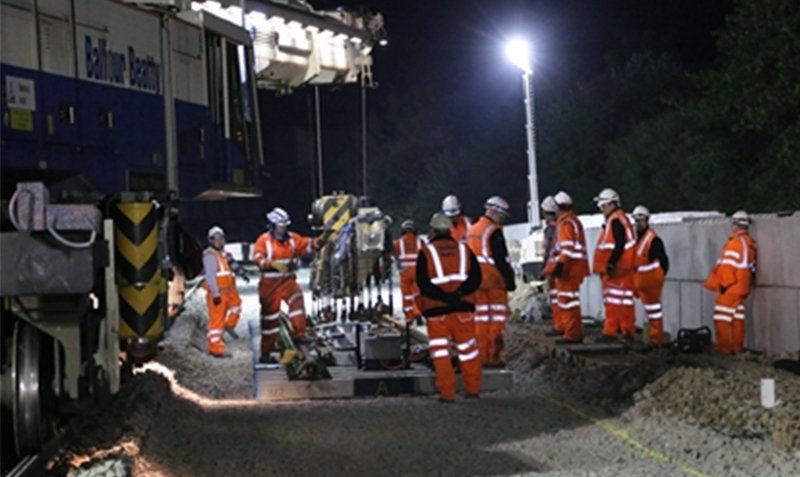
Providing solutions for track safety during maintenance
Blog
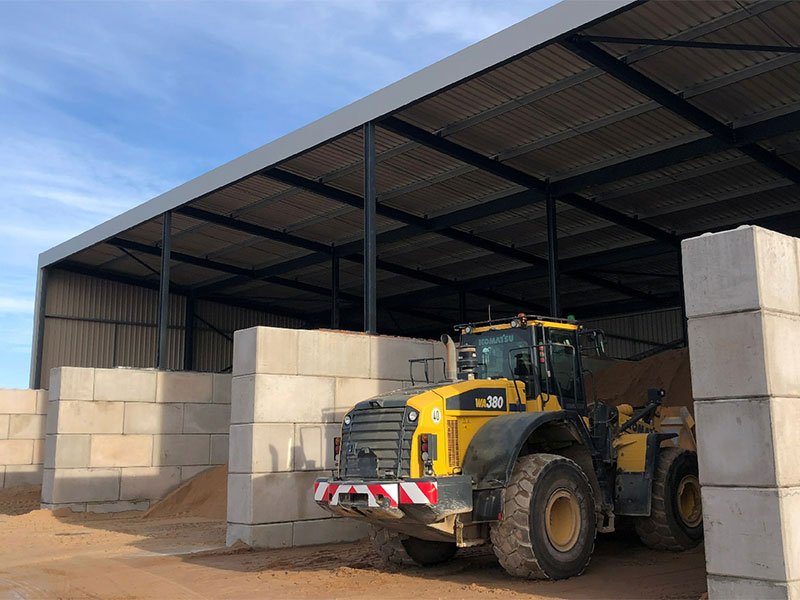
Reliable storage bay solutions and the cost-saving benefits
Blog
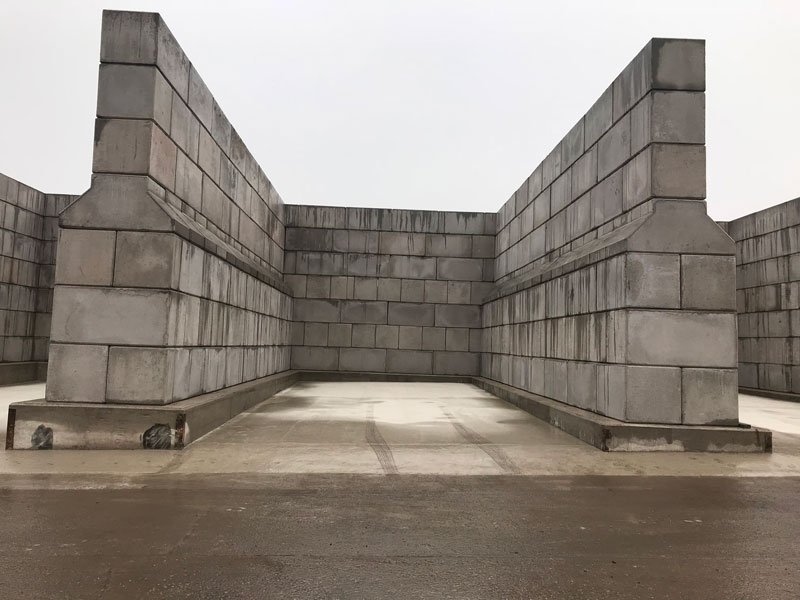
Building safe areas for damaged Electric Vehicle (EV) storage
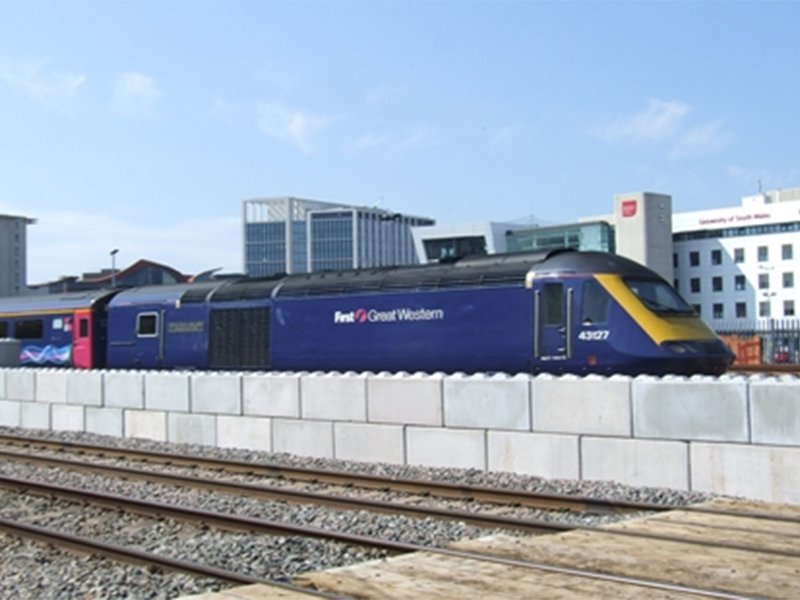
Blog
Safety first on the rail network

Blog
Elite Precast hit out about the use of leaded glass in interlocking concrete blocks
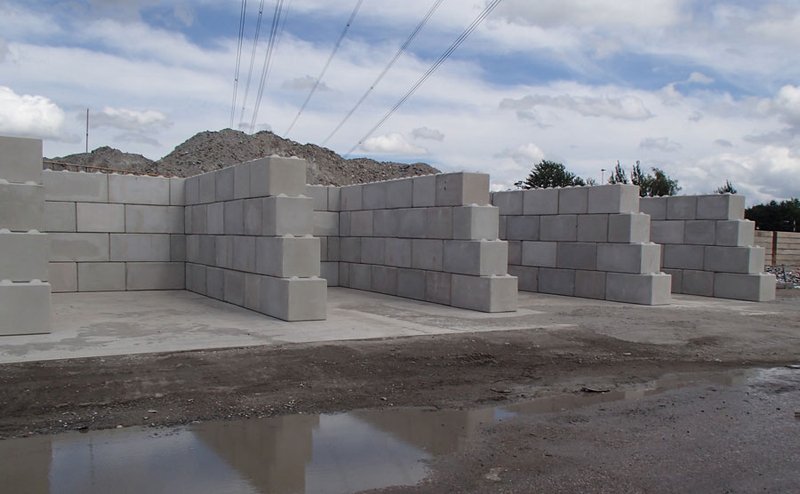
Blog
How to create the perfect on-site storage facility
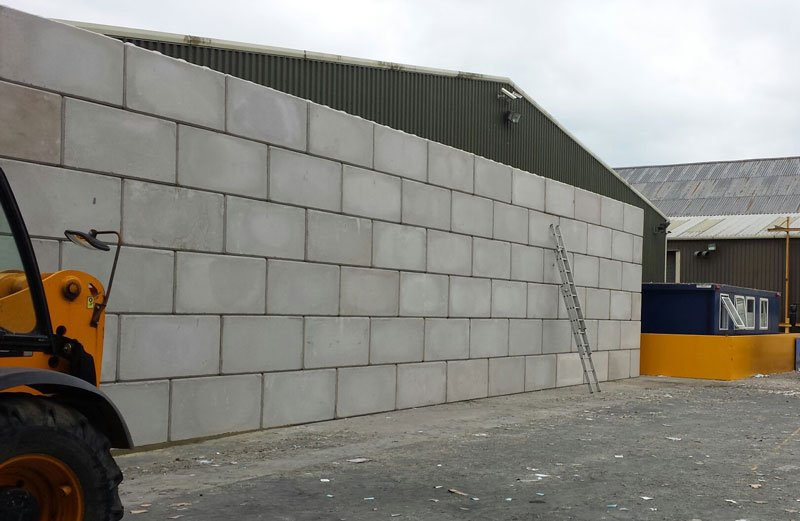
Blog
Separating fact from fiction – your guide to specifying and buying precast concrete firewalls
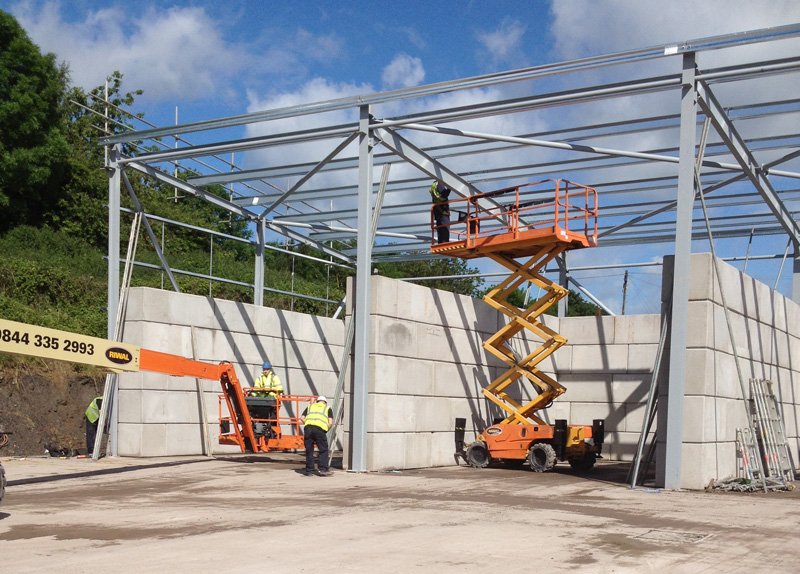
Blog
The Structure of Buildings and the impact on insurance premiums
Blog
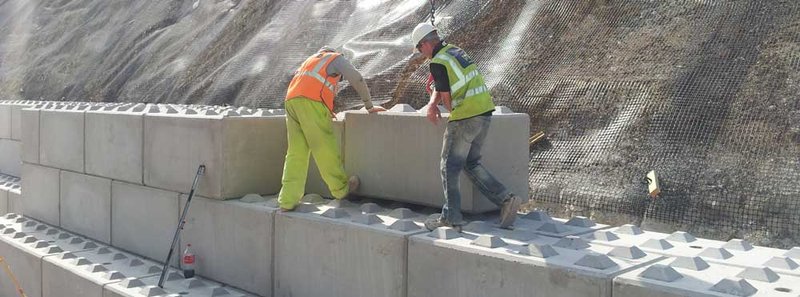
Interlocking Concrete blocks for retaining wall structures
Blog
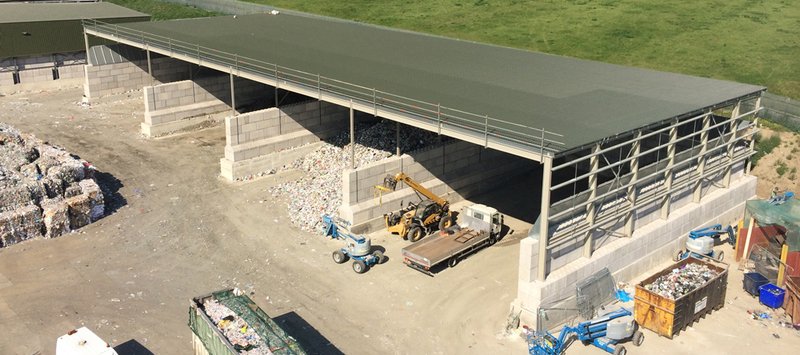
Interlocking blocks – versatile and durable

Blog
Fires in sewers, combustible pipes and pipeline integrity – is it worth the risk?
Blog
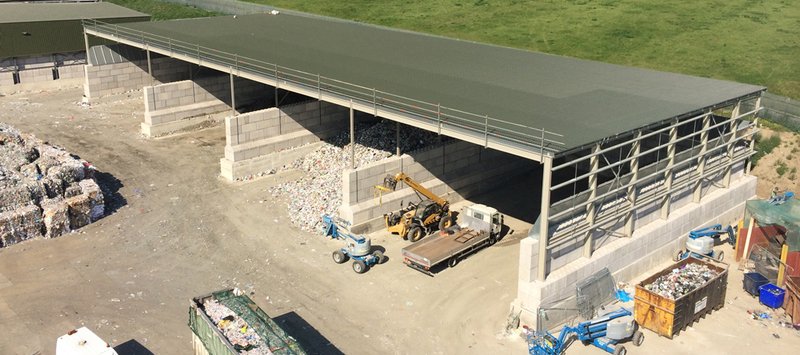
A Buyer’s Guide to Precast Concrete Interlocking Blocks
Blog
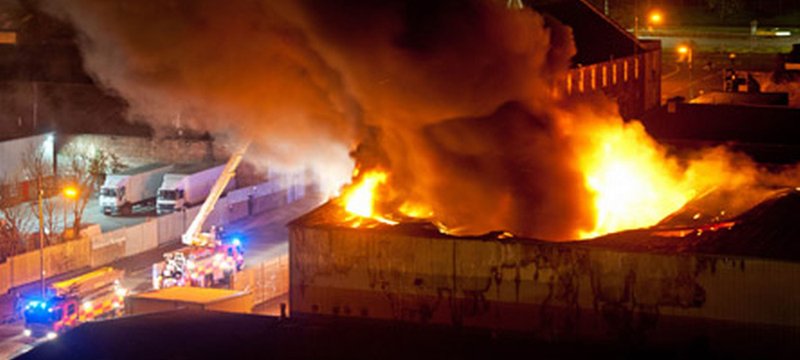
Five questions to ask about your Fire Risk Management Strategy
Frequently Asked Questions
What are Legato® blocks used for?
Legato® blocks are used across a wide range of applications, including: - Retaining walls - Material storage bays - Blast and impact protection walls - Flood defence and coastal erosion control - Bridge abutments and structural supports - Counterweights and kentledge - Fire break walls - Temporary and permanent works
Do Legato® blocks require mortar or reinforcement?
No - Legato® blocks are designed to be dry-stacked and do not require mortar, steel reinforcement or adhesives. This allows for faster installation, easy dismantling and reusability.
Are Legato® blocks suitable for temporary structures?
Yes. Legato® block walls are often classified as temporary structures, making them ideal for applications where flexibility, relocation or short-term use is required. Planning requirements may be reduced, although local authority approval should always be checked.
Are Legato® blocks suitable for permanent construction?
Yes. When correctly designed and installed, Legato® blocks can be used for long-term and permanent structures, with a 120-year design life, subject to engineering approval.
How quickly can Legato® blocks be installed?
Installation is rapid compared to traditional construction methods. A standard Legato® block covers 1.28m² of wall area, and no curing time is required, allowing structures to be load-bearing immediately.
What foundation is required for Legato® block walls?
Foundation requirements depend on wall height, loading, ground conditions and application. Many Legato® block walls can be constructed on a well-compacted granular base, but all installations should be checked by a qualified structural engineer.
Are Legato® blocks fire resistant?
Yes. Legato® interlocking concrete blocks are Class A1 Fire Resistant, making them suitable for use as fire break walls and as part of a Fire Prevention Plan (FPP).
Are Legato® blocks suitable for coastal or marine environments?
Yes. Legato® blocks contain no steel reinforcement, making them highly resistant to corrosion and suitable for coastal erosion control, flood defence and marine environments.
What sizes and weights are available?
Legato® blocks are available in multiple sizes and weights, ranging from approximately 590kg to over 2400kg, allowing walls and structures to be engineered to suit specific load requirements.
How are Legato® blocks lifted and installed?
Each block features a cast-in lifting pin and is compatible with standard lifting clutches (typically 5-tonne). This allows safe handling using excavators, telehandlers or cranes.
Can Legato® blocks be reused?
Yes. Legato® blocks are designed to be fully reusable. They can be dismantled and reinstalled multiple times without loss of performance, making them ideal for temporary works and evolving sites.
Are Legato® blocks environmentally sustainable?
Yes. Legato® blocks are manufactured from 100% natural materials, using locally sourced aggregates. They are fully recyclable at end of life and have a long service life, supporting sustainability and carbon reduction goals.
Do Legato® blocks meet UK standards?
Yes. Legato® blocks are designed in accordance with BS EN 1992-1-2004 (Eurocode 2) for concrete structural design.
Is planning permission required for Legato® block walls?
In many cases, Legato® block walls used for external storage bays or temporary works do not require planning permission, but requirements vary. Always consult your local authority before installation.
Where can I find load and stability guidance?
Elite Precast provides a Stability & Loadings Directory with guidance on wall heights, material storage, ground bearing and block configurations.
Who is responsible for structural design?
It is the customer's responsibility to ensure that all Legato® block structures are designed, checked and approved by a qualified structural engineer prior to installation.
How do I get technical advice or a quotation?
You can speak directly with the Elite Precast technical team for guidance, drawings and pricing. Call 01952 588885 (6.00am – 4.30pm, Monday to Friday) or email sales@eliteprecast.co.uk.
How durable are the blocks?
The blocks have a minimum design life of 100 years. For further information please download the Product Quality Statement.
Do the Environment Agency approve of Elite's blocks being used as part of my Fire Prevention Plan (FPP)?
Yes – we have a large number of clients who have specifically mentioned they are using our blocks when submitting their FPP to the Environment Agency.
How do I lift / handle the blocks?
Each block (Legato, Duo and Vee-Rock) has a fully tested cast-in lifting point (either pin or bar) so you will just need a suitable machine with a chain and hook.
Do Elite provide an installation service?
We have approved and experienced installers who can either work for you or they can contract to us. Please visit our image gallery to see some examples of their work.
Can you provide roof systems to fit over / on top of your blocks?
Yes, we work with companies who are very experienced in fitting both rigid/fixed and tension membrane roof systems onto our blocks and we will gladly put you in touch with them.
What is the typical lead time for your blocks?
We keep huge stocks and typically clients can expect to wait 3-5 working days at the most. We deliver on all types of vehicles including flat bed, crane off-loads and all range of FORS.
Are Elite and your blocks approved for use by Network Rail, Tideway and other major infrastructure projects?
Yes – Elite are RIQS / UVDB verified and have supplied a large number of major infrastructure projects including Tideway, Hinckley Point C, Crossrail and HS2. Please visit our Accreditations section for more information.
Do Elite offer finance for the blocks?
Yes – we work with Sterling Capital Asset Finance who specialise in providing bespoke packages to companies in the waste recycling and construction materials sectors. Please visit our Finance section for more details.
Are the interlocking blocks suitable for earth retaining walls?
Yes – they have been used by many clients for constructing earth embankment retaining walls – they are quick to install and as they are built vertically, they often require less excavation and take up less space than gabion baskets.
What makes Elite Precast Concrete different to other precast manufacturers?
Elite Precast operate as a wholesale manufacturer with a lean model (few sales reps, large stockholding) so they can keep overheads low and pass savings to customers.
Do they offer bespoke / custom solutions?
Yes — while many products are "off-the-shelf", Elite Precast can modify existing units as well as bespoke precast concrete products.
Do Elite Precast offer a decorative block?
Yes, Retainer-Rock® and Vee-Rock® walling both have a cobblestone finish. Retainer-Rock® is available with a smooth Liscio finish.
What is a pendine wall?
A pendine wall refers to interlocking concrete blocks used for construction purposes. These blocks are designed to be easily assembled and can be used for various applications, including temporary or permanent retaining walls. They are known for their durability, ease of installation, and ability to withstand weather conditions.
Are precast bay walls suitable for silage clamps?
Yes. Legato™ Bay Walls are strong, durable and designed to withstand the pressures associated with silage storage.
Can bay walls be configured to suit different layouts?
Yes. The modular design allows flexible configurations to suit different farmyard or storage layouts.
What are interlocking concrete blocks used for in data centres?
Interlocking concrete blocks are used to create retaining walls, security barriers, and segregated enclosures within data centre environments. They provide a flexible solution for infrastructure protection, storage areas, and site organisation.
How do interlocking concrete blocks work?
These blocks feature a modular interlocking design, allowing them to be stacked securely without the need for mortar. This enables fast installation, structural stability and easy reconfiguration.
What are the benefits of using interlocking concrete blocks?
Key benefits include: Rapid installation with minimal groundwork Reusable and reconfigurable design High strength and durability Cost-effective solution for large-scale projects
Where can interlocking concrete blocks be installed on data centre sites?
They can be installed in: Service yards and logistics areas Perimeter security walls Generator and fuel storage enclosures Material storage bays and segregation zones
Can interlocking concrete blocks be customised?
Yes. Blocks are available in various sizes and configurations, allowing them to be tailored to specific structural and operational requirements.
Are interlocking concrete blocks suitable for security applications?
Yes. They are often used to create robust physical barriers and secure enclosures, supporting site security and asset protection strategies.
What is an EV containment or quarantine area?
An EV containment area is a designated outdoor space used to safely store accident-damaged electric vehicles (EVs), including BEVs, PHEVs, and HEVs, in line with
Why do damaged EVs need to be quarantined?
Damaged EVs pose a potential fire risk due to battery instability. Quarantine areas help isolate vehicles, reducing the risk to people, property, and surrounding infrastructure.
Why are concrete blocks used for EV containment areas?
Precast concrete blocks provide a non-combustible, fire-resistant barrier that helps contain potential fires and prevents spread, making them ideal for high-risk environments.
How quickly can an EV containment area be installed?
Interlocking concrete blocks allow for rapid construction with no mortar required, enabling containment areas to be built quickly and efficiently.
Can the containment area be reconfigured or expanded?
Yes. The modular nature of interlocking blocks allows for easy reconfiguration, expansion, or relocation as site requirements change.
Where can EV containment areas be used?
They are suitable for vehicle repair centres, dealerships, scrapyards, battery recycling facilities, and car auctions.
Do these systems comply with structural standards?
Yes. Legato® blocks comply with BS EN 1992-1-1:2004, ensuring structural reliability in demanding applications.
What are the main safety benefits?
They provide fire containment, protect surrounding areas, minimise risk to personnel, and help meet safety guidance for handling damaged EVs.
Why is precast concrete suitable for EV containment?
Precast concrete offers high strength, durability and inherent fire resistance, making it well suited to electric vehicle environments. Its A1 fire compliance help reduce the spread of fire, while factory-controlled production ensures consistent quality and long-term reliability.
Can EV containment walling help with fire safety?
Yes. Concrete is a non-combustible material with excellent fire-resistant properties. EV containment walling can form part of a wider fire and safety strategy by helping to separate vehicles, protect adjacent assets and limit the spread of heat during an EV battery thermal event.
Where can EV containment and protection walling be used?
Elite Precast EV containment walling is suitable for a wide range of applications, including: EV charging hubs and forecourts Multi-storey and surface car parks Fleet depots and logistics facilities Commercial and residential developments Public realm and transport infrastructure Car repair centres and auction houses
Are the walling systems bespoke?
Yes. Elite Precast can design EV containment and protection walling to suit specific project requirements. Wall height, thickness, finishes and connection details can be tailored to suit site layouts and architectural considerations.
Does EV containment walling require ongoing maintenance?
Precast concrete containment walling requires minimal maintenance. Its durability and resistance to weathering, impact and corrosion make it a low whole-life cost solution for EV infrastructure.
Is Elite Precast EV containment walling manufactured in the UK?
Yes. All EV containment and protection walling systems are manufactured in the UK, ensuring quality control, reliable lead times and compliance with relevant British standards.
Can the walling integrate with other precast or structural elements?
EV containment walling can be designed to integrate seamlessly with other precast concrete products, in-situ concrete works or wider structural systems as part of a coordinated construction solution.
How do I specify EV containment walling for my project?
Elite Precast provides technical support from early design through to delivery and installation. Our team can assist with specifications, drawings and project-specific requirements to ensure the correct containment solution is selected. No Literature, photos or case studies available SEO/Meta Information www.eliteprecast.co.uk/precast-vehicle-solutions/ev-containment-protection-walling/
Related Products
UK Manufacturing & Nationwide Delivery
Every product is manufactured in the UK to recognised quality standards and delivered nationwide on a fleet built for site access. The result is shorter lead times, full control over quality, and the confidence of working with a British manufacturer.
Need Legato® Interlocking Blocks on a project?
Request a quote or talk to our technical team.